

Are you curious about terrazzo flooring and why it’s becoming a popular choice for both residential and commercial spaces? Whether you’re renovating your home or designing a new office, terrazzo offers a unique blend of style, durability, and sustainability. In this article, we will explore everything you need to know about terrazzo, from its fascinating history to its modern uses and the types of terrazzo that could be perfect for your next project.
Originating in Italy centuries ago, terrazzo was initially created as a way to use leftover marble chips. Today, terrazzo tiles are celebrated for their versatility and timeless beauty, often seen in high-traffic areas like airports, hospitals, and luxurious homes. Terrazzo flooring is not only durable but also incredibly customizable, offering a wide range of colors, designs, and finishes.
So, what is terrazzo flooring exactly? It’s a composite material made by embedding chips of marble, quartz, granite, or glass into a binder, creating a durable, low-maintenance, and visually striking surface. Ready to learn more? Continue reading to discover why terrazzo might be the ideal flooring option for your space, and how you can incorporate it into your next project.
What is Terrazzo?
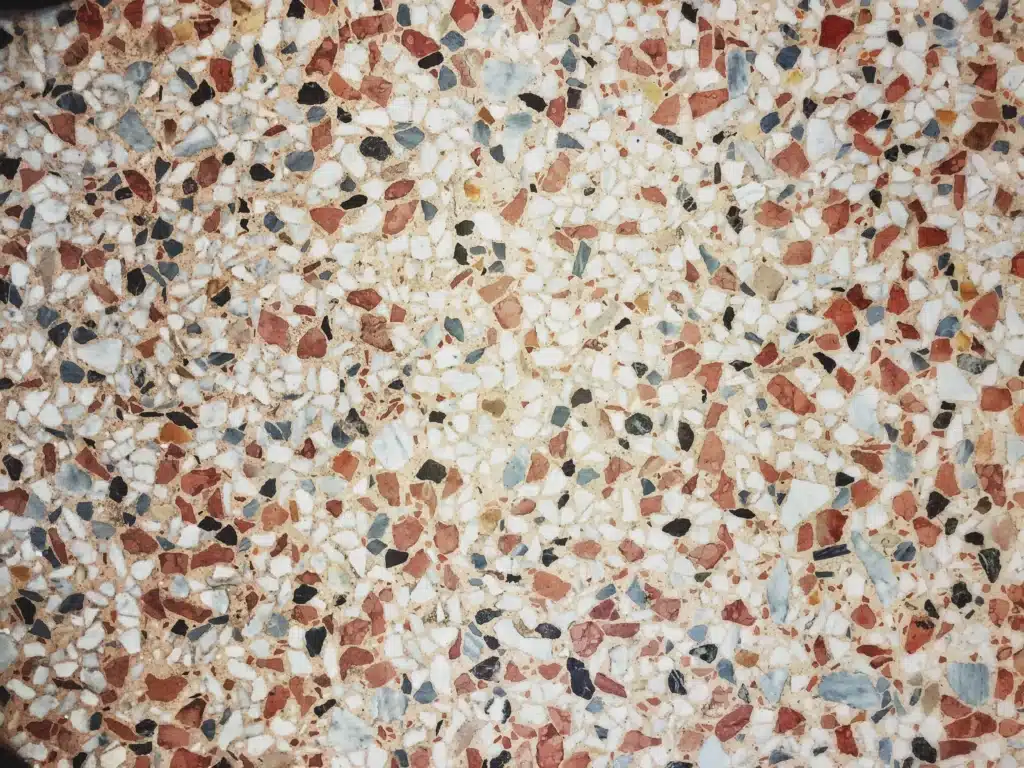
Terrazzo is a composite material that combines various aggregates, such as marble chips, quartz, granite, or glass, with a binder to create a durable, visually appealing flooring solution. This versatile material has been around for centuries and has been used in both residential and commercial spaces for its unique aesthetic and long-lasting qualities. Originating in Italy, terrazzo was first created by artisans using leftover stone chips, which were set in a clay binder to form smooth, polished surfaces. Over time, the material has evolved with new techniques and innovative designs, making it a popular choice for modern spaces.
Today, terrazzo is available in two main types: epoxy terrazzo and cementitious terrazzo. Both provide the same striking visual appeal but are used for different applications and installation methods. Whether you’re looking for vibrant colors or subtle, elegant designs, terrazzo can be customized to suit your needs.
Key Benefits of Terrazzo Flooring
Energy Efficiency
Terrazzo flooring is known for its thermal mass, which can absorb and retain heat during the day and release it at night. This characteristic makes terrazzo an energy-efficient option, helping to maintain a consistent temperature in your space and potentially reducing the need for additional heating or cooling. Its energy efficiency makes terrazzo a perfect choice for eco-conscious homeowners and businesses.
Durability
One of the main reasons terrazzo flooring is favored for high-traffic areas is its outstanding durability. The combination of hard aggregates and a strong binder creates a surface that can withstand the wear and tear of everyday use. Terrazzo floors are resistant to cracks, chips, and stains, making them ideal for areas like airports, hospitals, schools, and busy homes.
Low Maintenance
Terrazzo is incredibly easy to maintain. Unlike carpet or wood floors, terrazzo doesn’t require frequent cleaning or refinishing. Regular sweeping and occasional mopping are all that’s needed to keep the floor looking fresh. Its smooth, non-porous surface also prevents the buildup of dirt and bacteria, making it a hygienic choice for spaces that require high levels of cleanliness.
A Brief History of Terrazzo
Terrazzo’s story dates back to ancient Italy, where it was first created as a practical solution to make use of leftover stone fragments. Over time, it evolved into the highly regarded and versatile flooring material we know today. What began as a humble and functional material has now become a design trend that is celebrated for its durability, beauty, and adaptability in both residential and commercial spaces. Understanding terrazzo’s origins helps to appreciate how it has grown in both function and design.
The Origins of Terrazzo
The story of terrazzo begins in Italy, during the 15th century. It was initially created by Venetian craftsmen, who used leftover marble chips from larger construction projects to create an affordable and durable flooring material. These craftsmen would mix the marble chips with a clay or lime-based binder, then smooth the surface and polish it to create a polished stone finish. This method allowed artisans to repurpose materials, which was both a cost-effective and sustainable solution at the time.
The word “terrazzo” itself comes from the Italian word for “terrace,” as it was originally used on outdoor patios and terraces. The technique proved popular in Italy, particularly in Venice, and the material began to spread across the country and beyond. It became a practical and attractive flooring solution for homes, public buildings, and palaces, where it was admired for its smooth, lustrous surface and the ability to withstand heavy foot traffic.
The Evolution of Terrazzo Over Time
While terrazzo started as a simple, practical material, its popularity and versatility have led to a significant evolution over the centuries. By the early 20th century, terrazzo had evolved from being primarily an outdoor material to being widely used in indoor applications, particularly in high-traffic public spaces. The introduction of modern techniques such as machine polishing and the development of synthetic binders in the mid-1900s expanded terrazzo’s design potential.
In the 1930s and 1940s, terrazzo reached the height of its popularity, particularly in North America, where it was used in the construction of iconic buildings, schools, airports, and public spaces. During this time, terrazzo was combined with new materials such as glass and colorful aggregates, making it a much more vibrant and customizable option.
Today, terrazzo has experienced a resurgence in the design world, with modern architects and designers embracing its sustainable and eco-friendly qualities. Innovations such as epoxy terrazzo, which uses resin as a binder, have made it easier to install and more adaptable to a variety of spaces. With its ability to be customized into almost any color, pattern, or finish, terrazzo has become a staple in contemporary interior design.
Types of Terrazzo
Terrazzo is a highly customizable flooring material, with several types available to suit different design preferences, budgets, and installation requirements. The primary distinction between terrazzo types lies in the binder used to hold the aggregates together and the installation method. In this section, we’ll explore the main types of terrazzo, each offering its own unique set of benefits and applications
Epoxy Terrazzo
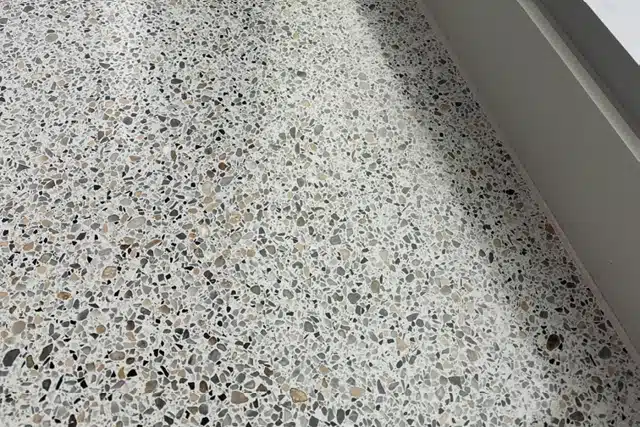
Advantages:
Epoxy terrazzo is highly durable and resistant to stains, cracks, and moisture. Its seamless surface reduces the potential for dirt or bacteria buildup, making it ideal for high-traffic areas like hospitals and airports. Epoxy terrazzo is available in a wide range of colors and can incorporate various aggregates like glass, marble, and quartz for a customized look. It’s also more flexible and suitable for intricate designs compared to other types of terrazzo.
Installation:
Epoxy terrazzo is relatively quicker to install compared to cementitious terrazzo because the resin binder sets faster. It can be applied in thinner layers and typically requires less time to cure, making it ideal for projects that need to be completed quickly. Installation is done by spreading the resin mixture with the aggregates, followed by grinding and polishing the surface.
Maintenance:
Epoxy terrazzo is low-maintenance. Regular sweeping and mopping are usually sufficient to keep it looking new. Its resistance to moisture and stains means it doesn’t require sealing, unlike cement-based terrazzo. However, some exposure to harsh chemicals should be avoided to prevent damage.
Cementitious Terrazzo
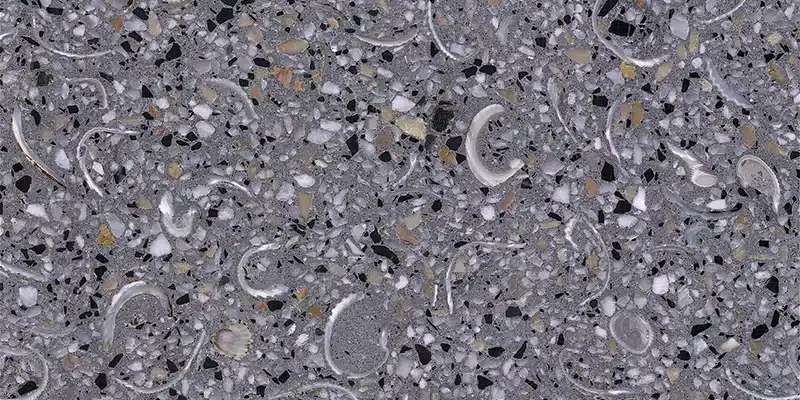
Advantages:
Cementitious terrazzo is known for its classic, elegant appearance. It offers superior durability and is ideal for high-traffic environments, as it’s more resistant to wear and tear compared to many other flooring options. The cement-based binder gives it a more natural stone appearance and makes it a popular choice for traditional designs.
Installation:
Installation of cementitious terrazzo is more time-consuming compared to epoxy terrazzo. It requires pouring the mixture directly onto the subfloor, followed by smoothing, curing, and polishing. The process can take several days to complete due to the curing time required for the cement.
Maintenance:
Cementitious terrazzo requires occasional sealing to protect the surface from stains and wear. Regular cleaning and polishing are recommended to maintain its shine and smoothness. Over time, resealing and refinishing may be necessary to keep the floor in optimal condition.
Precast Terrazzo
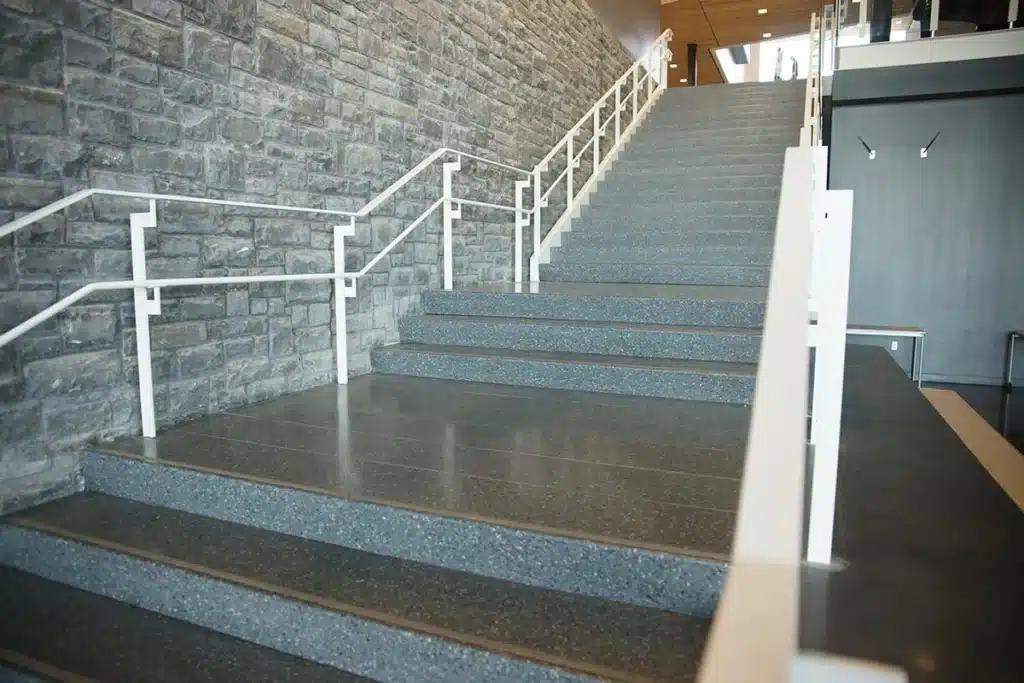
Advantages:
Precast terrazzo is a quicker option for projects that need faster installation. The terrazzo is created in a controlled factory environment, which ensures consistent quality and finish. Precast tiles can be produced in various sizes, making them ideal for smaller projects or installations with tight timelines. Precast terrazzo also offers excellent durability and can be customized with different aggregates and colors.
Installation:
Since the tiles are pre-manufactured, the installation process is straightforward and faster compared to poured-in-place terrazzo. The tiles are set using traditional methods for laying flooring, with grout lines between them, similar to ceramic or stone tile installation.
Maintenance:
Precast terrazzo requires minimal maintenance. Routine sweeping and mopping will usually keep the surface clean, and it only needs sealing periodically to maintain its appearance and prevent staining. The grout lines may require more attention to ensure they remain clean.
Poured-In-Place Terrazzo
Advantages:
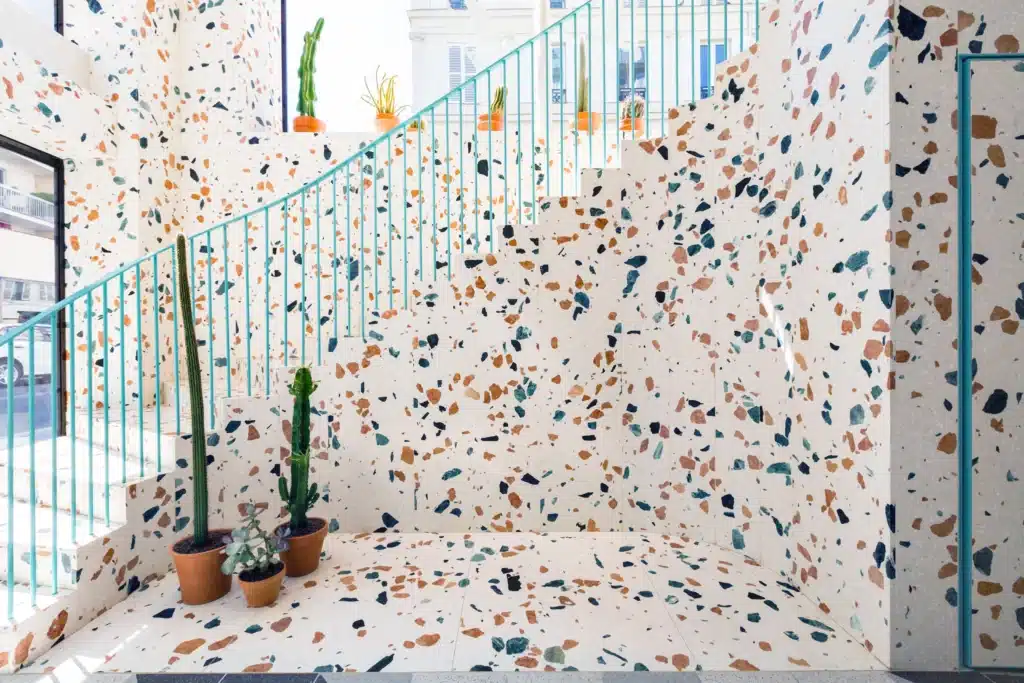
Poured-in-place terrazzo offers a seamless finish with no grout lines, creating a sleek, monolithic surface. This method is highly customizable, as different aggregates, colors, and patterns can be incorporated into the floor. It is incredibly durable and can last for decades with proper care.
Installation:
Installation of poured-in-place terrazzo requires skilled labor, as the material is mixed and poured directly onto the subfloor. This process is more labor-intensive and takes longer than other terrazzo types. It’s often used for larger installations in commercial spaces like airports, schools, and public buildings.
Maintenance:
Similar to other terrazzo types, poured-in-place terrazzo is low maintenance. It’s easy to clean and doesn’t require frequent resealing. However, because it’s a continuous surface, any cracks or damage could be more challenging to repair compared to tile-based terrazzo.
Terrazzo Tiles
Advantages:
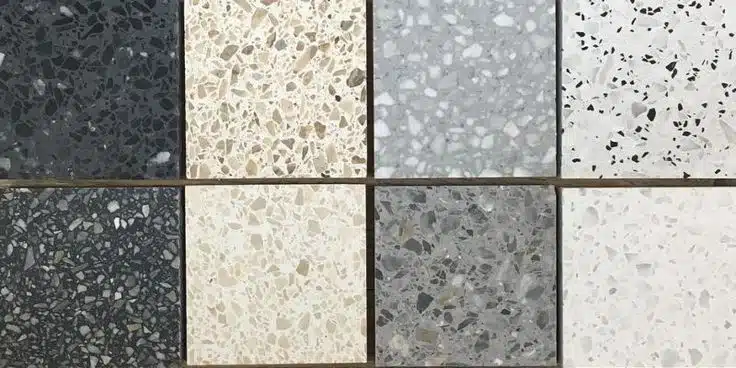
Terrazzo tiles are an affordable and convenient option compared to poured-in-place terrazzo, offering the same aesthetic appeal but with easier installation. The tiles can be used for both floors and walls, and they provide a consistent, uniform appearance. With smaller projects or renovations, terrazzo tiles can be the perfect solution to achieve the terrazzo look with less hassle.
Installation:
Terrazzo tiles are similar to other tile installations and can be placed directly onto the subfloor with adhesive. They are quicker and easier to install than poured-in-place terrazzo and are often used for smaller areas, DIY projects, or residential renovations.
Maintenance:
Like other terrazzo types, terrazzo tiles require minimal maintenance. Regular cleaning will keep the surface looking fresh, though the grout lines between the tiles may need periodic cleaning and sealing. Tiles also may require resealing over time to protect them from stains.
How to Choose the Right Terrazzo for Your Project
Choosing the right type of terrazzo for your project depends on several factors, including your budget, the size of the space, installation timeline, and desired aesthetics. Here are some key considerations:
- For Large Commercial Spaces: If you’re working on a large-scale project like an airport or hospital, poured-in-place terrazzo or epoxy terrazzo is ideal. These options are durable, easy to maintain, and can be customized to fit the design of large areas.
- For Residential Projects: Precast terrazzo or terrazzo tiles are great options if you’re looking for quicker installation without compromising on style. These are often more affordable and can be used for smaller areas like kitchens or bathrooms.
- For Traditional, Timeless Aesthetic: If you want a more classic, natural stone look, cementitious terrazzo offers a refined appearance and long-lasting durability. It’s perfect for spaces where you want a more traditional or luxurious finish.
- For Quick Turnaround and Custom Designs: Epoxy terrazzo is a fantastic choice when you need fast installation and the ability to create unique, vibrant designs with minimal downtime. It’s ideal for commercial spaces with tight deadlines.
Installation Process for Terrazzo Flooring
The installation process for terrazzo flooring involves multiple steps, from preparing the surface to adding the finishing touches. While the exact process may vary depending on whether you’re using epoxy or cementitious terrazzo, the basic steps remain similar. Below, we’ll walk you through the general installation steps for both types of terrazzo flooring, along with some tips on how to avoid common mistakes.
Preparing the Surface
Proper surface preparation is essential for a successful terrazzo installation. The surface must be clean, level, and free of any debris, oils, or contaminants that could prevent the terrazzo from adhering properly.
- Clean the Subfloor: Begin by thoroughly cleaning the subfloor. If you are installing over concrete, any dust, dirt, or residue from previous flooring should be removed. This is typically done using a commercial vacuum or power washer.
- Level the Surface: The surface must be smooth and level to ensure a uniform terrazzo finish. Any cracks or imperfections should be patched and leveled using a concrete filler or leveling compound. This ensures the finished floor will be flat and durable.
- Moisture Testing: Before proceeding, check for any moisture issues, as excess moisture can interfere with the adhesion of the terrazzo binder. Use a moisture meter to verify the surface is dry, especially if installing over concrete.
- Primer Application: In some cases, a primer is applied to improve the adhesion of the terrazzo mixture to the subfloor. This is particularly important for epoxy terrazzo, where the primer enhances bonding between the subfloor and resin.
Laying Epoxy Terrazzo Flooring
Epoxy terrazzo is popular for its quick installation and versatility, but it requires precise handling. Here’s how the process typically goes:
- Mixing the Epoxy: The first step in laying epoxy terrazzo is mixing the epoxy resin with the appropriate hardener, according to the manufacturer’s instructions. The mixture must be mixed thoroughly to ensure it sets properly.
- Spreading the Resin: Once the epoxy is mixed, it is spread evenly over the prepared subfloor using a trowel. The thickness of the epoxy layer should be uniform to avoid inconsistencies in the final finish.
- Adding Aggregates: After spreading the epoxy, you can add the decorative aggregates, such as marble chips, glass, or quartz, depending on the desired look. The aggregates are broadcast over the surface of the resin, or they may be mixed directly into the epoxy for an even distribution.
- Curing and Hardening: The epoxy layer must be allowed to cure, which typically takes about 24 to 48 hours, depending on the temperature and humidity. Be sure to allow ample time for the epoxy to fully harden before moving on to the next step.
Laying Cementitious Terrazzo Flooring
Cementitious terrazzo is the traditional method and requires more time and expertise to install. Here’s how the installation process for cementitious terrazzo typically goes:
- Preparing the Cement Mix: The cement-based binder is mixed with aggregates like marble chips or glass chips. The cement mixture is thick and has to be applied in layers. A professional installer typically handles this step.
- Spreading the Cement: Using a trowel, the cement mixture is spread evenly over the prepared subfloor. The cement must be applied in thin layers to prevent cracks. It is important to press the aggregates into the surface while the cement is still wet.
- Curing the Floor: Cementitious terrazzo needs time to cure properly, which usually takes 7-10 days. During this curing period, it is important to maintain proper moisture levels to prevent the cement from drying too quickly and cracking.
- Grinding and Polishing: After the floor has cured, the surface is ground down using diamond grinders to expose the aggregates. The floor is polished to a smooth finish, revealing the colorful stone chips.
Polishing and Finishing Touches
Once the terrazzo has been laid, the final step is polishing and applying any finishing touches.
- Grinding: The terrazzo surface is ground using diamond grinders to remove excess material and smooth out any rough patches. This process helps reveal the decorative aggregates in the terrazzo.
- Polishing: After grinding, the floor is polished using a polishing machine to achieve a smooth, glossy finish. This is one of the most important steps in terrazzo installation, as it brings out the visual appeal of the aggregates.
- Sealing: Once the floor is polished, it may need to be sealed to protect the surface from stains and wear. For cementitious terrazzo, sealing is typically required to maintain the surface’s durability and appearance. Epoxy terrazzo, on the other hand, is naturally sealed due to the resin’s non-porous properties.
- Final Inspection: Finally, the floor is inspected for any imperfections. If necessary, additional polishing or touch-ups are done to achieve the desired shine and smoothness.
Common Mistakes to Avoid
- Improper Surface Preparation: Failing to properly clean and level the subfloor can lead to poor adhesion and a subpar finish. Always take the time to ensure the surface is smooth, dry, and free of contaminants.
- Inconsistent Aggregate Distribution: If the aggregates are not distributed evenly, the final terrazzo floor may appear patchy or inconsistent. Be sure to properly mix and evenly distribute the aggregates.
- Rushing the Curing Process: Both epoxy and cementitious terrazzo require adequate curing time. Rushing this process can lead to cracks or an uneven finish. Always allow sufficient time for the terrazzo to set and harden.
- Over-Polishing: Over-polishing the surface can damage the terrazzo and reduce its durability. Ensure that the polishing process is done carefully and in stages, rather than rushing it to achieve a high shine.
- Skipping Sealing: For cement-based terrazzo, sealing the floor is crucial to prevent staining and wear. Skipping this step can lead to a dull and damaged surface over time.
Terrazzo Maintenance and Care
Maintaining terrazzo flooring properly is essential to ensure it continues to look pristine and lasts for many years. Due to its durability and low-maintenance nature, terrazzo is an excellent choice for high-traffic areas, but like any flooring, it requires some care to preserve its beauty. Below, we’ll explain the best practices for keeping your terrazzo floor in top condition, from daily care to fixing any potential damage.
Daily and Weekly Care
Proper daily and weekly care is essential to prevent dirt and debris from damaging your terrazzo surface.
Daily Cleaning:
- Sweep or dust mop your terrazzo floor daily to remove dirt, dust, and debris that can cause scratches. Use a soft-bristled broom or a microfiber mop to avoid damaging the surface.
- Avoid using harsh or abrasive cleaners, which can wear down the surface over time. Instead, use a pH-neutral cleaner that is safe for terrazzo floors.
Weekly Cleaning:
- Once a week, damp mop the floor using warm water and a mild, pH-neutral cleaner. This will help remove any accumulated dirt and keep the floor shining without damaging it.
- Ensure that the mop is damp and not soaking wet, as too much water can seep into the grout lines or cracks and cause damage.
Avoiding Scratches:
- Place mats or rugs at entryways to trap dirt and prevent it from being tracked onto your terrazzo floor. You can also use felt pads on the legs of furniture to protect the surface from scratches.
- Avoid dragging heavy objects across the floor, as this can scratch or chip the terrazzo.
Polishing and Sealing
Polishing and sealing are crucial steps in keeping terrazzo floors looking their best.
Polishing:
- Over time, terrazzo floors can lose their shine, particularly in high-traffic areas. To restore the glossy finish, periodic polishing is needed.
- Use a floor buffer with a fine polishing pad and a terrazzo-approved polishing compound. This will help bring back the floor’s shine and smooth finish. The frequency of polishing depends on the amount of traffic the floor receives, but once every 6-12 months is a good guideline.
- Always use a gentle polishing compound specifically designed for terrazzo to avoid damaging the surface.
Sealing:
- Cementitious terrazzo typically requires sealing to protect the floor from staining and wear. A high-quality terrazzo sealer should be applied after polishing to maintain the floor’s appearance and prevent moisture damage.
- Epoxy terrazzo, on the other hand, does not require sealing since it’s naturally resistant to moisture and staining due to its non-porous nature.
- Reapply sealer as needed, typically every 1-2 years, or more often if the floor is subjected to heavy wear.
How to Fix Cracks and Chips
While terrazzo is durable, cracks and chips can occur over time due to heavy impacts or shifts in the subfloor. Here’s how you can fix minor damage:
For Small Cracks:
- Clean the crack thoroughly to remove any dirt or debris.
- Mix a small amount of terrazzo filler, which can be purchased from terrazzo suppliers, to match the color of the existing floor. Apply the filler into the crack using a putty knife, smoothing it flush with the surface.
- Once the filler is dry, sand the area gently to smooth out any rough patches. You can then polish the area to restore the floor’s shine.
For Chips:
- If there is a chip in your terrazzo, clean the area and fill it with a matching terrazzo repair compound.
- After applying the compound, smooth it with a putty knife and allow it to cure for the recommended time.
- Once the filler has cured, grind and polish the area to blend it seamlessly with the surrounding terrazzo floor.
For Larger Repairs:
- For more significant damage, such as large cracks or chips, it’s recommended to consult a professional terrazzo installer or contractor who can restore the floor properly. Larger repairs may involve re-grinding and refinishing to match the surrounding floor.
Long-Term Terrazzo Care Tips
To ensure your terrazzo flooring remains in excellent condition for many years, follow these long-term care tips:
Avoid Harsh Chemicals:
Avoid using strong acids, alkalis, or abrasive cleaning products. These can damage the surface and strip away the protective sealer, leaving your terrazzo vulnerable to stains and moisture.
Control Moisture:
While terrazzo is resistant to moisture, excessive water exposure can cause damage. Ensure that standing water is wiped up promptly to avoid damage to the surface or grout lines.
Routine Inspections:
Regularly inspect your terrazzo floors for any cracks, chips, or damage. Early detection of issues will allow for quicker repairs and prevent further damage.
Professional Maintenance:
Periodically, you may want to hire a professional to perform deep cleaning, polishing, or re-sealing of your terrazzo floor, especially if it’s in a high-traffic area. This will help maintain the floor’s original beauty and extend its lifespan.
Protect High-Traffic Areas:
In spaces with heavy foot traffic, such as entryways or hallways, consider placing rugs or mats to reduce wear. This will also protect the floor from excessive dirt, moisture, and scratches.
Where Can You Use Terrazzo Flooring?
Terrazzo flooring is incredibly versatile, making it suitable for a variety of environments, from high-traffic commercial spaces to cozy residential homes. Its durability, customizable designs, and ease of maintenance have made it a popular choice across various industries. Below, we explore some of the most common places where terrazzo is used.
Terrazzo for Commercial Spaces (Airports, Offices, etc.)
One of the most popular applications of terrazzo flooring is in commercial spaces, where its durability and aesthetic appeal make it a preferred choice. Here’s why terrazzo is ideal for commercial settings:
- Airports: Terrazzo is widely used in airports due to its ability to withstand high foot traffic and its resistance to stains and moisture. Airports require floors that are not only durable but also visually appealing, and terrazzo delivers both. Its seamless design also minimizes maintenance issues like grout lines collecting dirt or moisture.
- Offices: In corporate offices and business buildings, terrazzo flooring adds a touch of sophistication and modernity. The ability to customize colors and patterns means that terrazzo can complement any office style, from contemporary to classic. Plus, it’s durable enough to withstand the daily wear and tear of office spaces.
- Retail Spaces: Many high-end retail stores and shopping malls opt for terrazzo flooring because it can handle heavy foot traffic without showing signs of wear. Additionally, its shiny, polished finish makes it an attractive and stylish option for showcasing products.
- Public Buildings: Terrazzo is a popular flooring choice for government buildings, libraries, and museums because it combines beauty with longevity. Its polished finish gives these spaces a refined look, while the material’s resilience means it will last for decades, even in busy public spaces.
Residential Terrazzo Flooring
In recent years, terrazzo has become a trendy choice for residential flooring due to its versatility, eco-friendly properties, and stunning aesthetic. Here’s why homeowners are opting for terrazzo in their living spaces:
- Kitchen and Bathrooms: Terrazzo’s resistance to moisture, stains, and scratches makes it an excellent choice for kitchens and bathrooms. The non-porous surface helps keep these areas hygienic, while terrazzo’s wide array of color options allows homeowners to create a unique, custom look.
- Living Rooms and Hallways: For living rooms and hallways, terrazzo provides a sleek and contemporary design. Its ability to integrate well with both modern and traditional decor makes it suitable for a variety of interior styles. Plus, it’s easy to clean, making it perfect for high-traffic areas in the home.
- Outdoor Spaces: Terrazzo is also a great option for outdoor areas like patios, walkways, and pool decks. Its durability in outdoor environments, combined with its beautiful aesthetic, makes terrazzo a popular flooring choice for homes that want to create stylish, low-maintenance outdoor spaces.
Terrazzo in Healthcare and Schools
Terrazzo flooring is an excellent choice for healthcare and educational facilities due to its durability, ease of maintenance, and ability to withstand high levels of foot traffic. Here’s why terrazzo is widely used in these industries:
- Healthcare Facilities: Terrazzo is highly recommended for hospitals and medical offices because of its hygienic properties and resistance to stains and moisture. In hospitals, where sanitation is critical, terrazzo’s smooth, non-porous surface makes it easy to clean and disinfect. It also contributes to creating a calming, professional environment with its elegant finish.
- Schools and Universities: In schools and universities, terrazzo’s durability makes it ideal for hallways, classrooms, and common areas that experience heavy foot traffic. It can endure the constant wear and tear of student activity while maintaining its aesthetic appeal. Additionally, terrazzo’s acoustic properties help absorb sound, making it a good option for spaces where noise reduction is important.
- Nursing Homes: Terrazzo is also used in nursing homes due to its non-slip surface when polished correctly, making it a safer option for elderly residents who may be more prone to falls. Its durability ensures that the flooring will stand the test of time, even in high-use areas.
Terrazzo Cost and Budgeting
When considering terrazzo for your flooring project, it’s important to factor in not only the initial material costs but also installation and long-term maintenance. While terrazzo can be an investment, its durability, low-maintenance nature, and timeless aesthetic make it a worthwhile option for many commercial and residential spaces. In this section, we’ll break down the costs associated with epoxy and cementitious terrazzo, and explore the key factors that influence terrazzo pricing.
Cost of Epoxy vs Cementitious Terrazzo
When comparing epoxy terrazzo to cementitious terrazzo, there is a notable price difference due to the materials and installation process. Epoxy terrazzo typically costs between $8 to $20 per square foot for the materials, with installation costs ranging from $12 to $30 per square foot. The installation process is quicker and less labor-intensive than cementitious terrazzo, which helps reduce overall costs. Since epoxy terrazzo is non-porous, it generally does not require sealing, resulting in lower maintenance costs over the years.
On the other hand, cementitious terrazzo tends to be more expensive, with material costs ranging from $15 to $30 per square foot. The installation of cementitious terrazzo involves a more labor-intensive process, as it requires mixing and pouring the material, followed by grinding and polishing, which can take significantly more time. This makes the installation costs for cementitious terrazzo generally higher, usually ranging from $25 to $50 per square foot. Unlike epoxy terrazzo, cementitious terrazzo needs to be sealed periodically to maintain its appearance, which can increase maintenance costs over time. However, cementitious terrazzo offers a classic, natural stone appearance and can be more durable in some situations, which may justify the higher initial cost.
Factors Affecting Terrazzo Pricing (installation, design complexity)
Several factors influence the overall cost of terrazzo flooring, beyond the basic materials and installation labor. One of the primary factors is the complexity of the installation. Cementitious terrazzo requires skilled labor, as the process involves pouring the material and waiting for it to cure, followed by several stages of grinding and polishing. This increases labor costs and the overall time needed to complete the installation. Epoxy terrazzo, while still requiring skill, is faster to install because it is easier to apply and sets more quickly. The overall installation costs can be lower for epoxy terrazzo due to this shorter time frame.
The design complexity also plays a significant role in determining the price. Custom patterns, intricate designs, and decorative inlays using specialized aggregates, such as recycled glass or exotic stone chips, will all increase the cost of terrazzo. The more customized the design, the higher the labor required to achieve the desired results. Whether you choose a more basic floor design or opt for something unique and intricate, these choices directly impact the overall price.
The size of the area to be covered will also affect pricing. While larger projects often benefit from a lower cost per square foot due to economies of scale, the complexity of the layout, including corners, edges, and transitions, can add to the cost. Additionally, the condition of the subfloor and the preparation required will influence pricing. A floor that requires significant leveling, patching, or moisture control before installation will increase the overall cost.
Location is another factor that can influence pricing. Labor rates and material costs vary by region, so terrazzo installation might be more expensive in areas where skilled installers are in high demand or material shipping costs are higher. Furthermore, terrazzo flooring installation might incur additional costs if special equipment or techniques are required for specific locations or space constraints.
Is Terrazzo Flooring Right for You?
Terrazzo flooring offers many benefits, but like any material, it also has potential downsides. It’s important to weigh these pros and cons before deciding if terrazzo is the right fit for your space. This section will summarize the benefits and potential downsides of terrazzo flooring, and guide you on how to decide if it’s the perfect option for your project.
Benefits of Terrazzo Flooring
One of the main reasons terrazzo has remained a popular flooring choice for centuries is its wide range of benefits. First and foremost, terrazzo is extremely durable. It’s known for being highly resistant to wear and tear, making it perfect for high-traffic areas such as airports, commercial spaces, and even residential homes. Its durability also means that it can last for decades with minimal maintenance, offering long-term value.
Another major benefit of terrazzo is its design versatility. The material can be customized in virtually any color, pattern, and style, making it adaptable to a wide variety of aesthetic preferences. Whether you want a subtle and understated look or a bold, intricate design, terrazzo can be tailored to match your vision. The use of various aggregates such as marble, glass, and recycled materials provides endless creative possibilities for unique floor designs.
In addition to its beauty and durability, terrazzo is also known for being low-maintenance. Once installed, it requires minimal upkeep, making it a great choice for busy areas. It resists stains, moisture, and scratches, and does not need to be resealed as often as other materials like wood or stone. Its non-porous surface makes it easy to clean, requiring only routine sweeping and mopping to maintain its appearance.
Finally, terrazzo is an eco-friendly option for flooring, particularly if you choose materials made from recycled aggregates. Terrazzo can also contribute to LEED certification for green building projects, as it has a low environmental impact, especially when compared to alternatives like synthetic carpets or tiles.
Potential Downsides
Despite its many benefits, there are a few potential downsides to terrazzo flooring that you should consider before making a decision.
One of the main drawbacks of terrazzo is the initial cost. While it can save you money in the long term due to its durability and low maintenance, the upfront cost of terrazzo can be higher than many other flooring options, such as vinyl, carpet, or laminate. Both the materials and installation costs for terrazzo can be expensive, especially if you opt for custom designs, patterns, or premium aggregates.
The installation process can also be time-consuming, particularly for cementitious terrazzo. The material requires skilled labor, and installation can take several days or even weeks to complete. While epoxy terrazzo is quicker to install, it still requires precision to ensure that the surface is properly prepared and the aggregates are evenly distributed.
Another potential issue is coldness and hardness. Terrazzo floors can feel cold underfoot, which might not be ideal in colder climates. Additionally, terrazzo is a hard material, which means it can be uncomfortable to stand on for long periods and may cause items to break if dropped. However, this can be mitigated by adding rugs or underfloor heating systems if desired.
Finally, terrazzo floors can be slippery when wet, particularly if the surface is highly polished. This can pose a safety risk, especially in areas like bathrooms or kitchens. However, non-slip finishes are available, and this can be addressed during installation.
How to Decide if Terrazzo Is Right for Your Space
To determine if terrazzo flooring is right for your space, consider a few key factors:
- Budget: If you’re working within a tight budget, terrazzo may not be the best option due to its higher upfront costs. However, if you’re looking for a long-term investment, the durability and low maintenance of terrazzo make it a cost-effective choice over time.
- Design and Aesthetics: If you want a unique, customizable design that can match your exact vision, terrazzo is an excellent option. Its versatility in terms of colors, patterns, and aggregates allows you to create a floor that perfectly complements your space. If you’re drawn to sleek, modern, or even traditional looks, terrazzo can accommodate any style.
- Traffic and Durability: Terrazzo is perfect for areas with heavy foot traffic, such as commercial spaces, entryways, or hallways. If you have a high-traffic home or need flooring that can stand up to wear and tear, terrazzo offers unmatched durability and longevity.
- Maintenance and Upkeep: Terrazzo is low-maintenance, making it a great choice if you want a floor that’s easy to care for. However, if you prefer a softer, more comfortable surface or if you don’t want to deal with occasional polishing, terrazzo may not be the right fit.
- Climate Considerations: If you live in a colder climate and are concerned about the coldness of terrazzo, you might want to consider using underfloor heating or opting for a different flooring option. On the other hand, if you want a durable, sustainable option that stands up to extreme conditions, terrazzo works well in a variety of environments.
Get Started with Terrazzo Flooring Today
Ready to transform your space with high-quality terrazzo flooring? Our team of experts is here to guide you through every step of the process, from design to installation. Visit our homepage to explore our services and get a personalized quote today!
Conclusion
Terrazzo flooring is a timeless and versatile choice, offering both beauty and practicality for a wide range of spaces. With its durability, low maintenance, and customizable design options, terrazzo continues to stand out as a long-term flooring solution. Whether you’re looking to enhance a commercial property or add sophistication to your home, terrazzo provides a unique and sustainable option that can withstand the test of time.
While the initial investment and installation process may be more involved than other flooring types, the lasting value terrazzo offers in terms of longevity, ease of upkeep, and aesthetic appeal make it a worthwhile choice. By considering the factors we’ve discussed—such as cost, design preferences, and specific space needs you can confidently decide if terrazzo is the right fit for your project.