
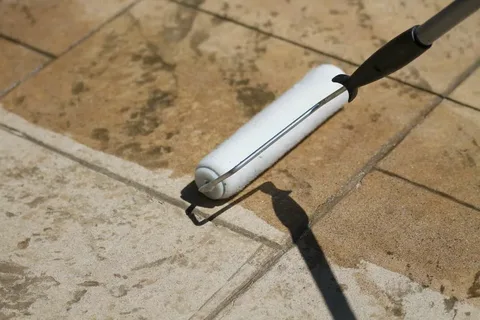
Concrete floors are built to handle everyday use, but they are not completely resistant to moisture or surface damage. Water can enter unprotected concrete, temperature changes can cause expansion and contraction, and regular traffic can wear down the surface over time. Without proper care, these conditions may contribute to deterioration, staining, and damage that becomes more expensive to address.
Concrete sealing helps protect floors by reducing moisture absorption and strengthening the surface against certain types of wear. While it cannot prevent every crack or solve underlying structural problems, the right sealer can help preserve concrete and extend its useful life.
Young Final Finish helps property owners understand concrete finishing options that support the durability, appearance, and maintenance needs of residential and commercial floors.
Why Concrete Floors Need Protection
Concrete may look solid, but it contains tiny pores that allow water and other substances to enter. Unsealed surfaces can absorb moisture from spills, cleaning, damp conditions, or exposure to rain when used outdoors.
Over time, repeated moisture exposure can contribute to surface deterioration, especially when combined with poor drainage, temperature changes, or existing concrete defects. Dirt and contaminants can also penetrate the surface, making cleaning more difficult.
Concrete sealing adds a protective treatment that helps reduce these risks. The level of protection depends on the type of sealer, the concrete’s condition, and the environment where the floor is located.
How Concrete Sealing Helps Reduce Moisture Damage
1. Reduces Water Absorption
One of the main benefits of concrete sealing is its ability to reduce the amount of water that enters the concrete. Penetrating sealers work within the concrete’s pores, while topical sealers create a protective layer on the surface.
This protection can be useful for garage floors, basements, patios, utility rooms, and commercial areas that experience regular cleaning or occasional spills.
Reducing water absorption helps limit prolonged moisture exposure, but it does not make every concrete floor waterproof. Water can still enter through cracks, joints, damaged coatings, or surrounding structures.
2. Helps Protect Against Moisture-Related Deterioration
Moisture can contribute to concrete deterioration, particularly when water carries harmful substances into the surface or reaches embedded metal reinforcement. In cold climates, repeated freezing and thawing can also damage concrete that remains saturated.
A suitable sealer can help reduce water penetration and limit some forms of moisture-related wear. For outdoor concrete, the product should be designed for the expected weather conditions and the surface’s intended use.
In areas with persistent dampness or water pressure beneath the slab, sealing alone may not solve the problem. Proper drainage, moisture control, or additional repairs may be necessary.
3. Makes Spill Cleanup Easier
Concrete floors in garages, workshops, kitchens, and commercial facilities may come into contact with oil, grease, beverages, and cleaning products. If these substances penetrate unsealed concrete, they can leave difficult stains.
A suitable sealer reduces absorption, giving property owners more time to clean spills before they become embedded in the surface. Prompt cleanup remains important because some chemicals can discolor or damage even treated concrete.
How Concrete Sealing Helps Protect Against Cracks
Concrete sealing can help preserve the surface, but understanding the causes of cracks is essential.
1. Limits Surface Wear
Foot traffic, moving equipment, vehicle tires, and repeated cleaning can gradually wear down a concrete floor. Depending on the product, a sealer can improve surface resistance to abrasion and reduce dusting.
By helping preserve the surface, sealing can reduce certain forms of deterioration that make minor defects more noticeable. However, a sealer is not a substitute for repairing existing cracks or correcting a weak concrete surface.
2. Reduces Moisture Exposure That Can Worsen Damage
When moisture repeatedly enters concrete, it may contribute to deterioration around existing cracks or damaged areas. In certain environments, water-related damage can gradually affect the surface and surrounding material.
Sealing helps reduce moisture absorption through intact areas of concrete. Cracks and joints still need proper attention because water can enter through these openings even when the surrounding floor has been sealed.
3. Supports Long-Term Surface Maintenance
Regular inspections help property owners identify small defects before they become more difficult to manage. A properly selected sealer can make the surface easier to clean and maintain, helping owners monitor its condition.
If cracks appear, their cause should be assessed before applying a new treatment. Some cracks are caused by normal concrete shrinkage, while others may indicate settlement, movement, poor drainage, or structural concerns.
Sealing may be appropriate after minor, non-structural cracks are repaired, but larger or widening cracks require a more thorough evaluation.
Different Types of Concrete Sealers
Choosing the right sealer is important because products offer different levels of moisture resistance, surface protection, and visual enhancement.
Penetrating Sealers
Penetrating sealers enter the concrete and react within its pores to reduce water absorption. They generally maintain a more natural appearance because they do not create a thick film on the surface.
These products may be suitable for exterior concrete and other surfaces where moisture resistance is important without a glossy finish.
Acrylic Sealers
Acrylic sealers form a thin protective film and can enhance the appearance of concrete. Depending on the product, they may provide a matte or glossy finish.
They are used on some decorative concrete surfaces, patios, and walkways. Exterior applications require a product suited to the weather and expected traffic.
Epoxy and Polyurethane Coatings
Epoxy and polyurethane systems provide a more substantial surface coating than many basic sealers. They may be suitable for garages, workshops, showrooms, and selected commercial floors that need additional resistance to wear or chemicals.
These systems require appropriate surface preparation and careful product selection. They may not be suitable for every slab, particularly where moisture vapor is moving upward through the concrete.
Signs Your Concrete Floor May Need Sealing
A concrete floor may benefit from sealing when its surface begins absorbing liquids quickly, producing excessive dust, or becoming harder to clean.
Look for these signs:
- Water darkens the concrete and soaks in rapidly.
- Oil or other spills leave persistent stains.
- The surface produces dust during normal use.
- The finish looks worn or uneven in high-traffic areas.
- An exterior concrete surface shows signs of weather-related wear.
- An existing sealer appears peeling, patchy, or damaged.
These signs do not always mean that a new sealer is the immediate answer. The floor may need deep cleaning, crack repairs, moisture testing, or removal of an old coating first.
Why Surface Preparation Matters
Even a high-quality sealer may fail if the concrete is not prepared correctly. Dust, grease, curing compounds, old coatings, and other contaminants can prevent proper bonding or penetration.
Before sealing, the floor should be inspected and cleaned using methods suitable for the concrete and selected product. Any necessary repairs should be completed, and the surface should meet the product’s moisture and application requirements.
Applying a coating to concrete that is too damp can cause problems such as poor adhesion, bubbling, or peeling. Following the manufacturer’s instructions for application and curing helps produce a more consistent result.
Young Final Finish can help property owners consider the condition of their concrete and determine which finishing approach may suit their floor.
How to Maintain Sealed Concrete Floors
Regular maintenance helps preserve the performance and appearance of sealed concrete.
- Sweep or dust-mop regularly. Removing grit reduces abrasive wear caused by everyday foot traffic.
- Clean spills promptly. Do not allow water, oil, or harsh chemicals to remain on the surface longer than necessary.
- Use compatible cleaning products. Follow the sealer manufacturer’s guidance to avoid damaging the finish.
- Check cracks and joints. Inspect them periodically, especially in garages and outdoor areas exposed to changing weather.
- Monitor worn areas. High-traffic sections may need maintenance or resealing sooner than lightly used areas.
- Address moisture problems at their source. Repair drainage issues, leaks, and persistent dampness rather than relying on a sealer alone.
Resealing schedules vary according to the product, preparation, traffic, and environmental conditions. The floor should be assessed before another layer is applied.
Why Professional Concrete Sealing Is Worth Considering
Successful concrete sealing involves more than applying a product to the floor. The surface must be evaluated, the cause of any damage understood, and a suitable treatment selected.
A professional can help identify whether the concrete needs a penetrating sealer, a topical coating, crack repair, or additional moisture control. This assessment is especially valuable for commercial spaces and floors exposed to vehicles, heavy traffic, or frequent cleaning.
Young Final Finish can help property owners explore concrete finishing options designed around the surface’s condition and intended use.
Conclusion
Concrete sealing helps protect floors by reducing water absorption, limiting certain forms of surface wear, and making routine cleaning easier. These benefits can help preserve concrete in homes, garages, patios, and commercial spaces.
However, sealing cannot eliminate all cracks or correct structural movement, poor drainage, or moisture entering from beneath a slab. The best results come from choosing the right product, preparing the concrete properly, and repairing existing damage before treatment.
With suitable maintenance and professional guidance from Young Final Finish, property owners can take practical steps to protect their concrete floors and keep them in better condition over time.