
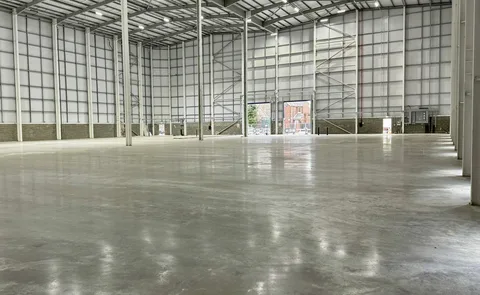
Sealed concrete floors offer a durable, low-maintenance flooring option for homes, offices, retail stores, garages, and other commercial properties. Applying a suitable concrete sealer helps protect the surface from moisture, stains, dust, and everyday wear while improving its appearance. Depending on the product and finish, sealed concrete can have a natural matte look or a smoother, more polished appearance.
For property owners who want a practical floor that lasts, concrete sealing can help extend the life of existing concrete without requiring a completely new flooring system. Young Final Finish helps property owners improve and protect concrete surfaces with finishing solutions suited to their space and intended use.
What Are Sealed Concrete Floors?
Sealed concrete floors are concrete surfaces treated with a protective coating or penetrating sealer. The type of sealer used determines how the floor looks, feels, and performs.
Topical sealers form a protective layer on the concrete surface. Depending on the product, they may create a matte, satin, or glossy finish. Penetrating sealers enter the concrete and react within its pores to help reduce moisture absorption without creating a thick surface film.
The right option depends on the condition of the concrete, expected foot or vehicle traffic, exposure to spills, and the appearance the property owner wants to achieve.
Key Benefits of Sealed Concrete Floors
1. Better Protection Against Stains and Spills
Unsealed concrete is porous, which means liquids can soak into the surface and leave stains. Oil, grease, food, beverages, and other substances may become difficult to remove if they penetrate the concrete.
A suitable sealer helps reduce absorption and makes routine cleaning easier. This can be especially useful in kitchens, garages, workshops, retail spaces, and commercial facilities where spills are more likely.
Although sealing improves resistance to many common stains, it does not make every concrete floor completely stain-proof. Prompt cleanup and appropriate maintenance remain important.
2. Improved Durability
Concrete is strong, but its surface can still experience wear from repeated foot traffic, moving furniture, equipment, and vehicle use. A suitable sealer helps protect the surface from everyday abrasion and can reduce certain forms of deterioration.
In residential settings, this protection can help concrete floors maintain their appearance in busy areas. In commercial spaces, it can support the demands of regular customer traffic, employees, and equipment.
The level of protection depends on the sealer, surface preparation, and how heavily the floor is used. High-traffic or industrial environments may require a more specialized coating system.
3. Easier Cleaning and Maintenance
Dust and dirt can collect on concrete surfaces, while unsealed concrete may absorb spills that require extra effort to remove. Sealed floors are generally easier to maintain because the treatment reduces the amount of material that enters the concrete.
For routine care, property owners can usually sweep or dust-mop the floor and clean it with a compatible cleaning solution. Abrasive tools and harsh chemicals should be avoided when they may damage the finish.
This simpler maintenance routine can be valuable for homeowners, office managers, and commercial property operators who want clean floors without extensive upkeep.
4. A Cleaner and More Finished Appearance
Sealing can improve the overall appearance of concrete by enhancing its natural color, adding a consistent sheen, or helping the surface look more complete. Some products leave a subtle natural finish, while others create a more noticeable gloss.
This flexibility makes sealed concrete suitable for different design preferences. A home may benefit from a restrained finish that complements modern interiors, while a showroom or retail space may use a higher-sheen surface to create a more refined look.
Proper preparation is essential. A sealer does not hide every crack, uneven patch, or surface defect, so the concrete should be inspected before treatment.
5. Cost-Effective Floor Improvement
Replacing an existing floor can involve demolition, disposal, new materials, and installation labor. If the concrete underneath is in suitable condition, sealing may provide a practical alternative to installing a different flooring material.
The total cost depends on the floor’s size, condition, preparation requirements, selected sealer, and application method. Repairs, moisture concerns, or old coatings that need removal can increase the work involved.
For property owners working within a budget, professional assessment can help determine whether sealing is a suitable way to improve an existing concrete surface.
Benefits of Sealed Concrete Floors for Homes
Residential concrete floors can work well in areas where durability and straightforward maintenance matter.
Common applications include:
- Garages: Sealing can help reduce the absorption of oil, dirt, and other common automotive spills.
- Basements: An appropriate sealer can help limit moisture absorption when the concrete and surrounding conditions are suitable.
- Patios and covered outdoor areas: Exterior products can help protect concrete from weather exposure, provided the sealer is designed for outdoor use.
- Living areas: A decorative finish can complement contemporary, industrial, or minimalist interior styles.
- Utility rooms: Sealed concrete can provide a practical surface in spaces that experience regular cleaning and everyday use.
For indoor areas, homeowners should consider the desired appearance, cleaning routine, and potential for wet or slippery conditions. Outdoor floors require additional attention to weather resistance and traction.
Benefits of Sealed Concrete Floors for Commercial Properties
Commercial properties often need flooring that can handle regular traffic while remaining presentable. Sealed concrete can be a practical option when the product and installation method match the demands of the space.
Retail Stores and Showrooms
Retail floors need to look clean and professional throughout the business day. A suitable concrete finish can provide a consistent appearance and make routine cleaning more manageable.
Offices and Business Facilities
Sealed concrete can work in offices, reception areas, and shared spaces where property managers want a durable surface with a simple maintenance routine.
Warehouses and Workshops
In some warehouses and workshops, sealing helps reduce dusting and makes the floor easier to clean. However, areas exposed to heavy machinery, chemicals, or frequent vehicle traffic may need a coating system specifically designed for those conditions.
Restaurants and Service Areas
Sealed concrete may be appropriate in selected food-service or back-of-house areas when the finish meets the facility’s cleaning, hygiene, and slip-resistance requirements. The correct product and surface texture are important because spills and wet floors can create safety concerns.
Sealed Concrete vs. Unsealed Concrete
The main difference is how each surface responds to everyday use.
Unsealed concrete leaves its pores more exposed, making it more likely to absorb certain liquids and collect embedded dirt. Sealed concrete has an added protective treatment that can reduce absorption, simplify cleaning, and improve surface appearance.
However, sealing does not eliminate every maintenance need. The treatment may wear down over time, especially in busy areas, and some sealers require periodic reapplication. The best results come from selecting a suitable product and preparing the surface correctly.
How to Maintain Sealed Concrete Floors
Regular care helps preserve the floor’s appearance and the performance of the sealer.
- Remove loose dirt regularly. Sweep or dust-mop to limit the accumulation of grit that may scratch the finish.
- Clean spills promptly. Even a sealed surface may be affected by prolonged exposure to certain liquids.
- Use compatible cleaners. Follow the sealer manufacturer’s recommendations and avoid products that may damage the finish.
- Use protective pads under furniture. This helps reduce scratches and scuff marks in residential and office settings.
- Inspect high-traffic areas. Look for worn patches, peeling, or changes in appearance that may indicate the need for maintenance.
- Arrange professional assessment when needed. A flooring professional can determine whether the surface needs cleaning, repairs, recoating, or a different protective treatment.
Why Professional Concrete Sealing Matters
The quality of a sealed concrete floor depends on more than the sealer itself. Surface preparation, moisture conditions, product selection, and application technique all influence the final result.
Concrete may need to be cleaned, repaired, or mechanically prepared before treatment. Applying sealer over dirt, grease, moisture, or incompatible coatings can lead to poor adhesion, uneven appearance, or premature failure.
Professional service helps identify the right approach for the floor’s condition and intended use. Young Final Finish can help property owners evaluate their concrete finishing needs and choose a suitable solution for residential or commercial spaces.
Is Concrete Sealing Right for Your Property?
Sealed concrete floors can offer a useful combination of protection, easier cleaning, and improved appearance. They are worth considering when an existing concrete surface is structurally sound and you want to make it more practical for everyday use.
The best choice depends on where the floor is located, how much traffic it receives, and the level of protection required. A garage floor may need resistance to automotive spills, while a retail floor may place greater importance on appearance and frequent cleaning.
Before choosing a treatment, assess the concrete’s condition and discuss suitable products, surface preparation, expected maintenance, and slip resistance with a qualified professional.
Conclusion
Sealed concrete floors provide a practical way to protect existing concrete while improving its appearance in residential and commercial spaces. With the right sealer and proper preparation, they can be easier to clean, more resistant to common stains, and better suited to everyday wear.
Young Final Finish can help you explore concrete finishing options based on your property’s needs. Choosing the appropriate treatment can help you get more value from your existing floor while maintaining a clean, finished look.