
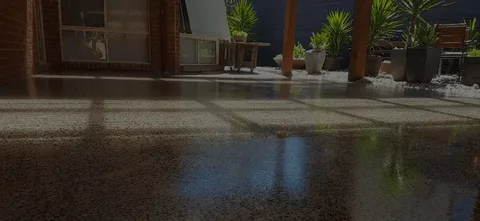
Concrete floors are a practical choice for homes, garages, retail stores, offices, and commercial facilities. However, the way a concrete floor is finished can affect its appearance, maintenance needs, durability, and overall performance. Two common options are polished concrete and sealed concrete.
Although both finishes can improve the look and usability of a concrete surface, they work differently. Polished concrete is mechanically ground and refined to create a smooth, finished surface, while sealed concrete receives a protective treatment that helps reduce moisture absorption, staining, and surface wear.
Choosing between them depends on your budget, the condition of your existing floor, the amount of traffic it receives, and the appearance you want. Young Final Finish can help property owners explore concrete finishing options that suit their spaces and long-term needs.
What Is Polished Concrete?
Polished concrete is created by mechanically grinding and refining the concrete surface using specialized equipment and progressively finer abrasives. The process may include densifiers, which react with components in the concrete to help harden the surface and improve its resistance to wear.
Depending on the grinding process and selected finish, polished concrete can have a smooth, matte, satin, or reflective appearance. Decorative aggregates may also become visible as the surface is refined.
Polished concrete is commonly used in retail stores, offices, showrooms, warehouses, and modern residential interiors. Its appearance and maintenance requirements depend on the concrete itself, the level of polishing, and how the floor is used.
What Is Sealed Concrete?
Sealed concrete is concrete treated with a protective sealer. The product may penetrate the pores of the concrete or form a thin protective layer on its surface.
Penetrating sealers help reduce water absorption while generally preserving the concrete’s natural appearance. Topical sealers can add a matte or glossy finish and provide a barrier against certain stains and everyday wear.
Concrete sealing is often chosen for garages, patios, basements, utility rooms, and commercial areas where moisture resistance and easier cleaning are priorities.
Unlike polishing, sealing does not necessarily involve extensive mechanical grinding. The amount of preparation depends on the condition of the concrete and the type of sealer being applied.
Polished vs. Sealed Concrete: Key Differences
1. Appearance and Finish
Polished concrete offers a refined appearance created through mechanical grinding. It can produce a smooth surface with varying levels of sheen, and the final look may reveal the natural color and aggregate within the concrete.
Sealed concrete offers more flexibility in how the surface is protected and finished. Some sealers leave the concrete looking almost unchanged, while others enhance its color or create a noticeable gloss.
Which is better? Polished concrete may be the better choice if you want a refined, modern floor with a distinctive finish. Sealed concrete is a practical option if you want to preserve or enhance the existing surface without a full polishing process.
2. Durability and Wear Resistance
Polished concrete can provide a durable surface because mechanical refinement and densification help improve the concrete’s resistance to wear. It is often suitable for areas with regular foot traffic and some commercial applications.
Sealed concrete also benefits from added protection, but its performance depends on the sealer. A thin topical sealer may wear down faster in busy areas, while specialized coatings can provide greater resistance to abrasion or certain chemicals.
Neither finish makes concrete indestructible. Heavy impacts, structural movement, unsuitable cleaning products, and neglected maintenance can still cause damage.
Which is better? Polished concrete may suit busy indoor spaces where long-term surface durability is important. Sealed concrete may be more appropriate when the main goal is reducing moisture absorption, staining, or surface deterioration.
3. Moisture and Stain Protection
Moisture protection is one of the main reasons property owners choose concrete sealing. Depending on the product, a sealer can reduce water absorption and help prevent oil, grease, and other liquids from penetrating the concrete as quickly.
Polished concrete is generally denser and easier to clean than untreated concrete, but polishing alone does not make it waterproof or stain-proof. Spills may still affect the surface, particularly if they are left for long periods.
A suitable protective treatment may be used with polished concrete when additional resistance to staining is needed.
Which is better? Sealed concrete is often the more direct choice when moisture and stain resistance are the primary concerns. For polished floors, the need for additional protection depends on the polishing system and the conditions of use.
4. Cleaning and Maintenance
Both finishes can be relatively easy to maintain compared with rough, untreated concrete.
Polished concrete typically needs regular dust removal and damp mopping with a compatible cleaner. Harsh chemicals and abrasive materials can affect the appearance, so the cleaning method should match the floor’s finish.
Sealed concrete also benefits from routine sweeping and prompt spill cleanup. Depending on the sealer and traffic level, periodic resealing may be necessary to maintain protection.
Which is better? Polished concrete can be attractive for property owners who want a refined surface without a conventional film coating that needs frequent renewal. Sealed concrete may require more attention to the condition of its protective layer.
5. Installation Time and Cost
The cost of either finish depends on the size of the area, the existing concrete’s condition, preparation requirements, selected products, and labor.
Polishing usually requires specialized grinding equipment and several stages of surface refinement. Repairs, old adhesive removal, and the desired level of aggregate exposure can increase the work involved.
Sealing may involve a simpler application process, particularly when the existing concrete is clean and in good condition. However, extensive preparation, moisture issues, crack repairs, or old coating removal can add to the cost.
Which is better? Sealing may be the more budget-friendly option when the floor needs basic protection. Polishing may be worth the greater upfront investment when appearance, surface refinement, and long-term use are priorities.
Which Finish Is Best for Residential Spaces?
For homes, the right finish depends on where the concrete is located and how you plan to use it.
Living Areas and Interior Floors
Polished concrete can suit contemporary homes, open-plan layouts, and interiors where the floor is part of the overall design. Its smooth appearance can complement a range of furniture and interior styles.
Sealed concrete can also work indoors, especially when the goal is to protect an existing slab or maintain a simpler, more natural look.
Garages
Garages are exposed to vehicle tires, oil, dirt, and other substances that can stain concrete. A suitable sealer or specialized garage-floor coating can help reduce absorption and make cleanup easier.
Polished concrete may be suitable in some garages, but the intended vehicle use, surface traction, and exposure to contaminants should be considered before choosing a finish.
Patios and Outdoor Areas
Outdoor concrete faces rain, sunlight, temperature changes, and regular foot traffic. A sealer specifically designed for exterior use may help reduce moisture absorption and weather-related deterioration.
Polished concrete is generally more common indoors because exterior surfaces need appropriate texture and slip resistance. For outdoor areas, the finish should be selected with wet-weather safety in mind.
Which Finish Is Best for Commercial Properties?
Commercial environments often require a balance of appearance, maintenance, and performance.
- Retail stores and showrooms: Polished concrete can create a refined, professional appearance and work well in spaces with regular customer traffic.
- Offices: Either finish may be appropriate, depending on the desired style, traffic, and cleaning routine.
- Warehouses and workshops: The best choice depends on vehicle traffic, equipment loads, chemical exposure, and the level of protection required. Specialized concrete coatings may be more suitable for demanding environments.
- Restaurants and service areas: Slip resistance, cleaning requirements, and exposure to food or cleaning chemicals should guide the finish selection.
A floor’s purpose matters more than appearance alone. A high-gloss finish may suit a showroom, while a working area may need a more practical surface with greater traction and specialized protection.
Can You Polish and Seal Concrete?
Yes. Polishing and sealing are not always mutually exclusive options.
A polished concrete floor may receive an appropriate guard or protective treatment to improve resistance to certain stains and simplify maintenance. The correct product depends on the polishing system and the manufacturer’s recommendations.
Likewise, sealed concrete can sometimes be mechanically prepared and polished, but the existing coating may need to be removed first. Applying a new treatment over an incompatible product can lead to poor adhesion or an uneven finish.
Before combining treatments, the concrete should be assessed to determine which products and preparation methods are compatible.
How to Choose the Right Concrete Finish
Before making a decision, consider these factors:
- Your main priority: Decide whether appearance, moisture protection, stain resistance, or budget matters most.
- The condition of the concrete: Cracks, uneven areas, old coatings, and contamination can affect the suitability and cost of either finish.
- The location: Indoor floors, outdoor patios, garages, and commercial work areas have different performance requirements.
- Expected traffic: Heavy foot traffic, vehicles, equipment, and frequent cleaning can influence product selection and maintenance.
- Slip resistance: A glossy appearance does not automatically mean a surface is unsafe, but wet conditions and the selected finish can affect traction.
- Long-term maintenance: Ask about cleaning products, inspection needs, resealing schedules, and repair options before committing to a system.
Young Final Finish can help you evaluate these factors and identify a concrete finishing approach suited to your property’s needs.
Conclusion
Polished and sealed concrete both offer benefits, but they serve different purposes. Polished concrete is a strong option for property owners who want a refined appearance and a mechanically finished surface. Sealed concrete is often a practical choice when the priority is reducing moisture absorption, protecting against stains, and improving everyday maintenance.
The best option depends on your concrete’s condition, the environment, your budget, and the demands placed on the floor. In some cases, combining polishing with a compatible protective treatment can offer a useful balance of appearance and performance.
With the right preparation and finish, Young Final Finish can help you make a more informed decision about protecting and improving your concrete floors.